Research Approach
Research Perspective
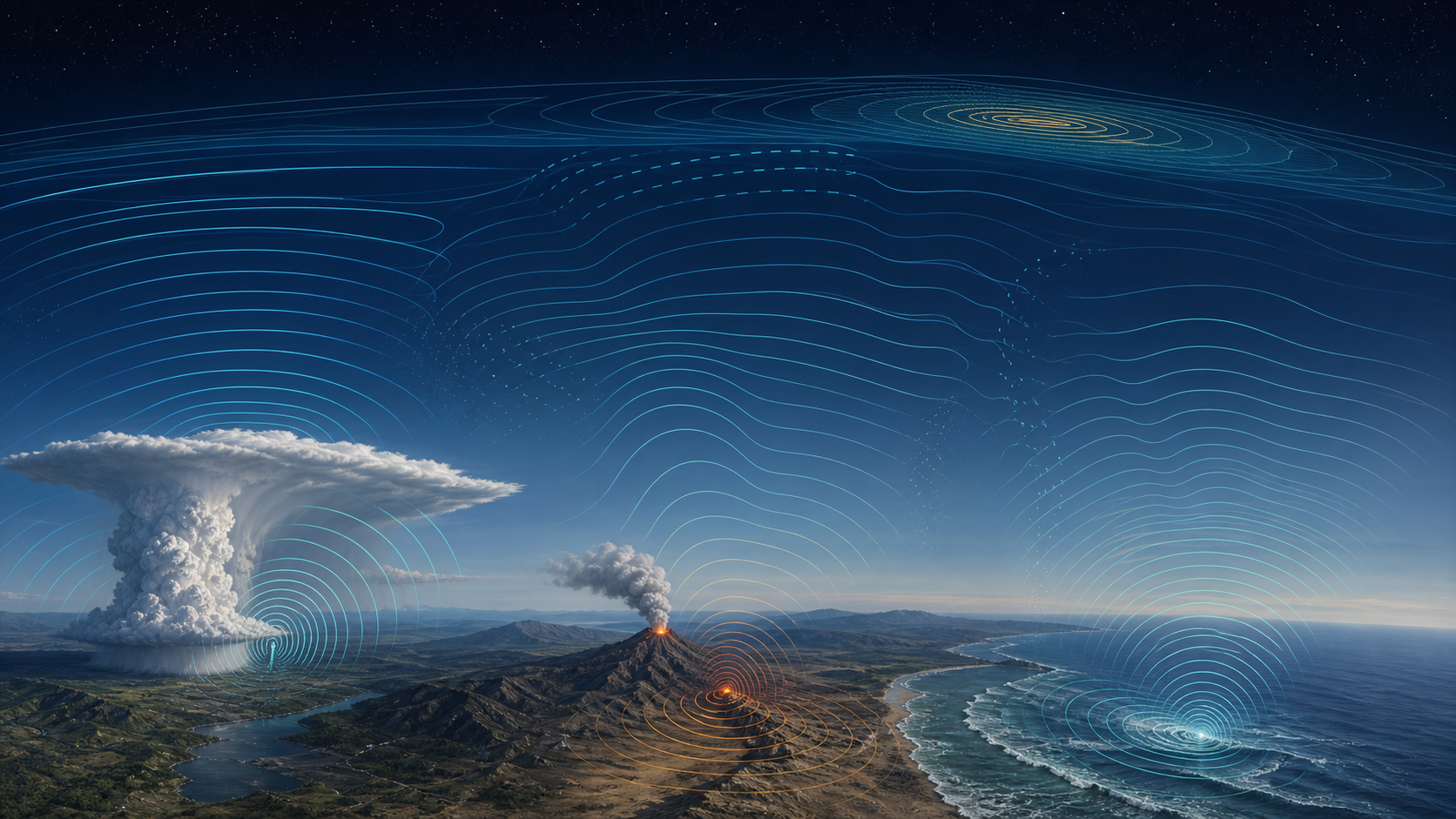
Comparing satellite and ground data can provide clues that one observation alone cannot offer. F-Factory Research checks timing, position, and data quality when bringing observations together. We explain not only the result but also the conditions under which a feature was obtained.
Research Fields
Primary Research Themes
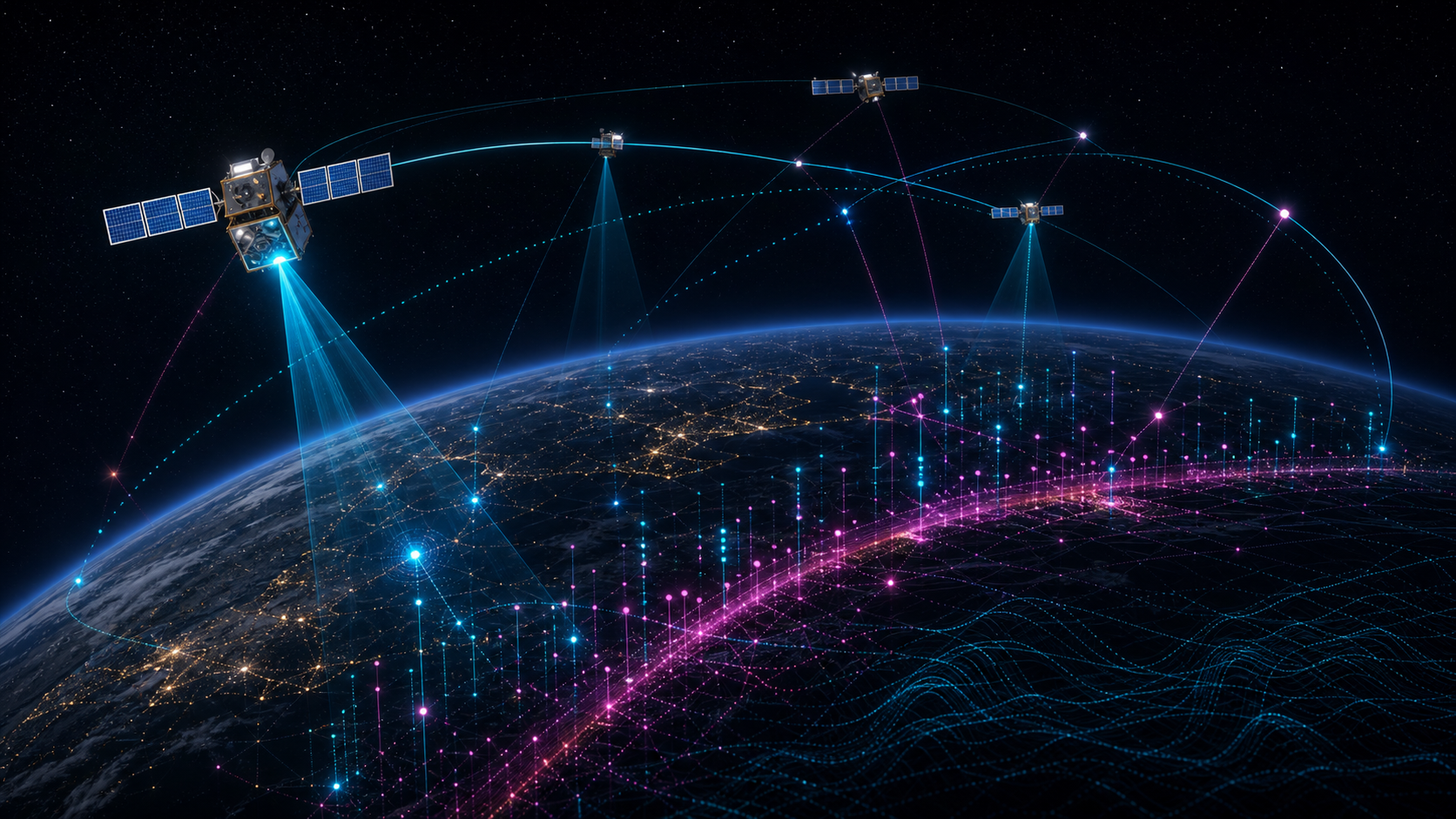
Low-Earth-Orbit Satellite Data Analysis
Satellite position and timing provide the context for comparing magnetic and plasma variations along tracks with ground observations.
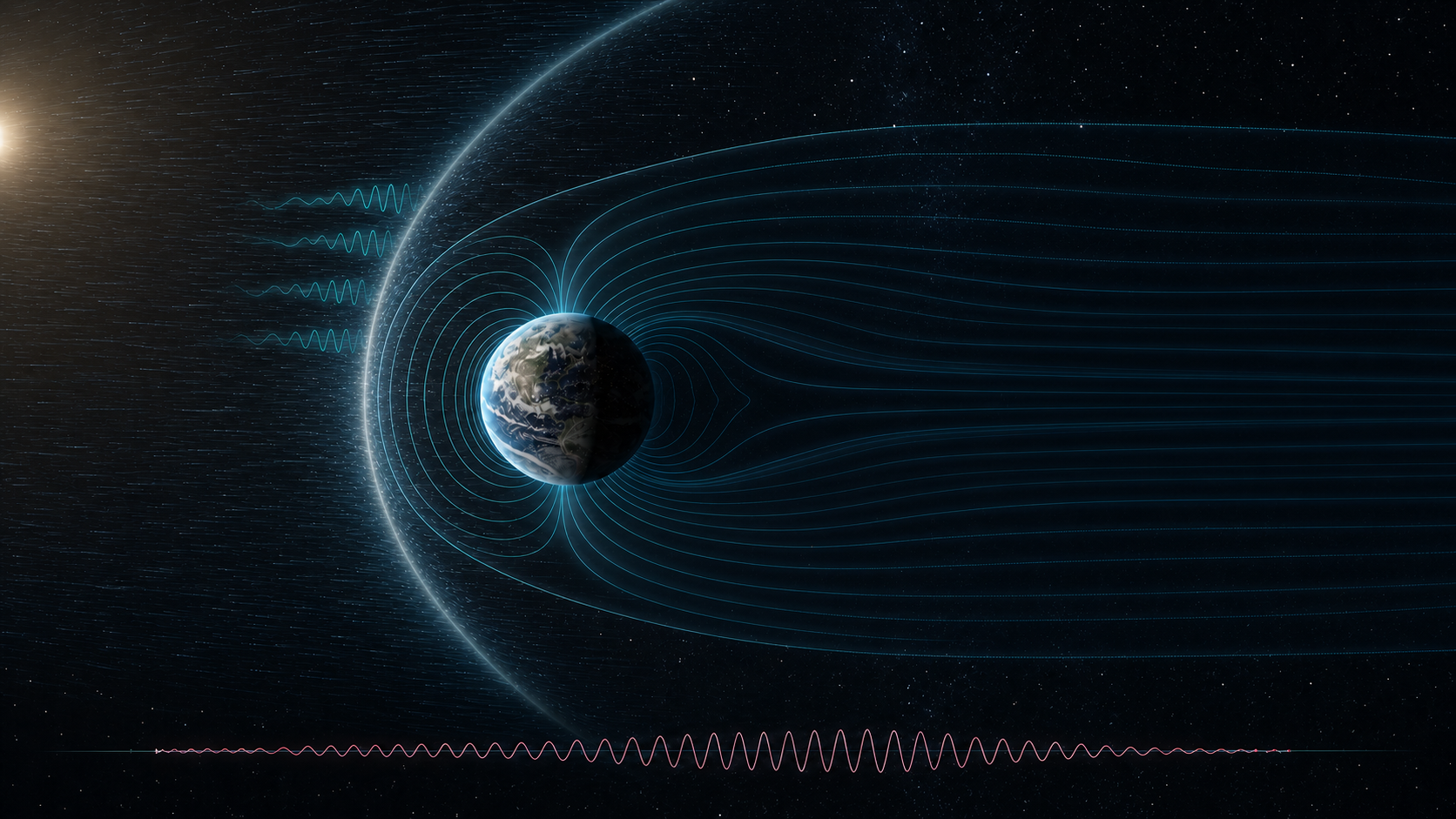
Geomagnetic Pulsations and Pc3 Analysis
Waveforms, frequencies, station differences, and geomagnetic activity provide the context for examining periodic variation.

Ionosphere and Upper Atmosphere
GNSS-TEC, satellite data, and ground observations help examine when and where ionospheric variation appears.
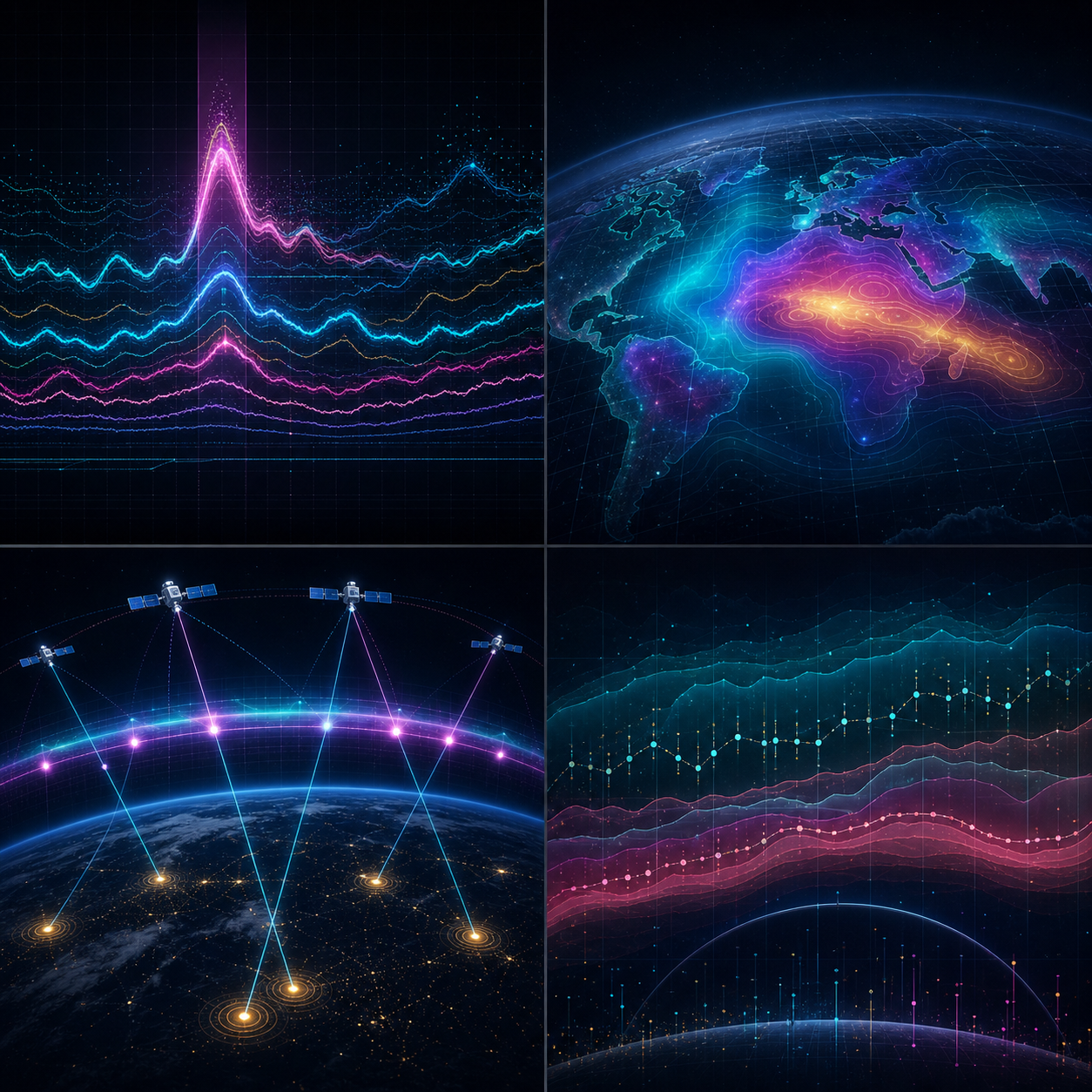
Research Data Analysis and Visualization
Data preparation, figures suited to the question, and clear explanations show the basis of a comparison.
Research Process
Our Research Approach
Reading Across Observation Systems
We start by checking satellite orbits, station locations, local time, geomagnetic activity, and data quality. Comparisons account for differences in locations and measured quantities as well as timing.
Turning Questions into Testable Workflows
Several factors can contribute to ionospheric and geomagnetic variation. Filters, baseline intervals, and exclusions are stated, while control data help test possible explanations.
Communicating with Figures and Text
Figures include sources, units, and processing conditions. The text separates observations from interpretations so that specialists and general readers can follow the evidence.
State the Limits of Interpretation
Matching variations do not by themselves establish causation. Hypotheses are presented as hypotheses, not as earthquake, eruption, or space-weather forecasts or warnings.